
 2026.06.15
 Hydraulic Leader
 1581
1581
In the face of polarized and extreme working conditions in the global special machinery market, accelerating the green and digital upgrade of core hydraulic components has emerged as the definitive breakthrough for Original Equipment Manufacturers (OEMs).
From electrification in North America to strict life-cycle tracing in the European Union, the non-road mobile machinery (NRMM) industry is undergoing a massive shift. Navigating these evolving global trade access standards requires a deep understanding of regional policies and high-efficiency hydraulic solutions.
Global Non-Road Machinery Policy Blueprint (June 2026)
United States: Accelerating Low-Carbon Farmland Machinery
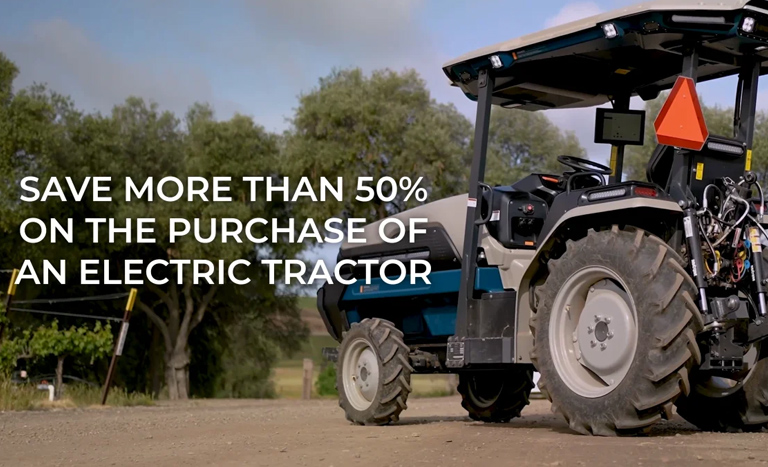
The US Environmental Protection Agency (EPA) and the Department of Agriculture (USDA) are pushing the rural clean energy transition. The "Rural Energy for America Program" (REAP) now funds the decarbonization of field machinery, offering farmers up to a 45% subsidy to purchase electric and hydrogen-powered non-road mobile machinery. Concurrently, the Department of the Treasury has tightened compliance audits on domestic advanced power battery and heavy-duty machinery production lines to secure the local supply chain.
Canada: Enhancing Safety in Complex Terrains
The Ministry of Forestry and Natural Resources has updated safety regulations for special equipment operating in challenging environments. Given the operational risks on steep slopes, the government has mandated strict tests for the "Dynamic Center of Gravity Stabilization System" on heavy-duty log skidders and forestry machinery. Furthermore, the government has partnered with industrial associations to optimize strategic maintenance networks, aiming to reduce emergency repair response times in arctic regions to under 4 hours without altering cross-border tariffs.
Germany: Massive Subsidies for Heavy Hydrogen Machinery
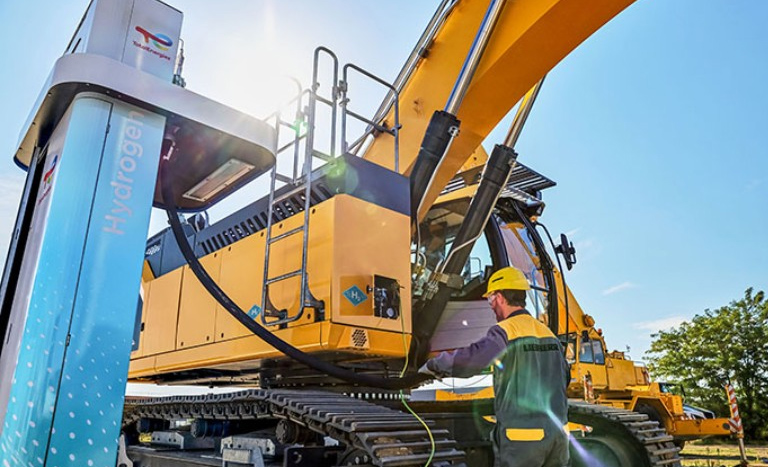
The Federal Ministry for Economic Affairs and Climate Action (BMWK) has launched the "Hydrogen-Powered Heavy Special Vehicles Supply Chain Demonstration Project." This policy provides up to a 50% purchase subsidy for high-tonnage hydrogen fuel cell excavators and heavy-duty bulldozers operating in open-pit mines and regional logistics hubs. Contractors constructing high-pressure hydrogen fast-refueling stations will also receive tax credits, while digital networks track real-time equipment energy efficiency.
Australia: Smart Freight Logistics and Heavy-Duty Road Trains
The Department of Infrastructure, Transport, Regional Development, Communications and the Arts updated the "National Freight and Logistics Equipment Modernization Guide." To ease interstate transport costs for agricultural products, the new regulations loosen regional approvals for high-performance multi-combination heavy road trains. This encourages the adoption of large grain transfer trailers equipped with intelligent axle-load weighing and electronic braking systems (EBS), backed by low-carbon logistics interest-subsidized loans.
Italy: Micro-Machinery for Mountainous Micro-Plots
The Ministry of Agriculture, Food Sovereignty and Forestry is fast-tracking a special subsidy within the "National Recovery and Resilience Plan" (NRRP) targeting micro-agricultural and construction machinery. Because large equipment cannot access the steep, narrow terraces of central and southern Italy, the government launched a regional tour offering a 30% subsidy focused on 0.8 to 3-ton micro-excavators and slope tractors to fill the micro-machinery deficit.
United Kingdom: AI-Driven Agricultural Transformation
In June 2026, the Department for Environment, Food and Rural Affairs (DEFRA) officially launched a new round of the "Accelerating Development Practice and Technology" (ADaPT) fund. Focusing on the intelligent transformation of NRMM in field operations, the fund offers grants to farmers and foresters to field-test modern equipment integrated with AI precision targeted spraying and satellite navigation. This initiative aims to lower commodity crop production costs and enhance environmental safety without adjusting cross-border import tariffs.
Emerging Markets and Regional Market Adaptability
European Union: "Euro VII" Extension and Battery Passports
The European Commission has detailed the extension of Euro VII emission standards and implementation rules for the Battery Passport on non-road mobile machinery. Moving forward, cross-border construction, mining, agricultural, and forestry machinery entering the EU market that utilizes power batteries must carry a digital life-cycle file. This file records carbon footprints and material recycling rates on a cloud platform to simplify border verification without imposing additional tariffs.
Brazil: Localizing the Green Hydraulic Supply Chain
The Ministry of Development, Industry, Trade and Services, together with the Federation of Industries of the State of São Paulo (FIESP), launched the "Local Green Supply Chain Plan" for NRMM components. To meet Latin America’s rising demand for low-emission excavators and wheel loaders, the National Bank for Economic and Social Development (BNDES) is providing targeted low-interest loans. This encourages small and medium-sized local hydraulic parts and electronic control enterprises to upgrade to digital production lines, reducing foreign reliance.